New Material · Free CAD Layouts · Installation
Pallet Racks in Payette, ID
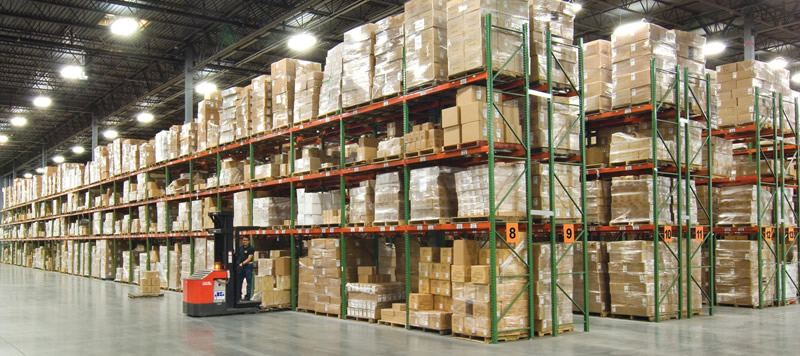
Pallet racks in Payette, ID start with onion lots, produce reserves and the manufacturing pallets that need daily access. Warehouse pallet racks should keep packaging and parts reachable while repeated crop loads use their own lanes. We compare pallet rack systems from loaded container dimensions, peak stock by product and the forklift working aisle.
Rack Types for Your Inventory
Pallet Racks
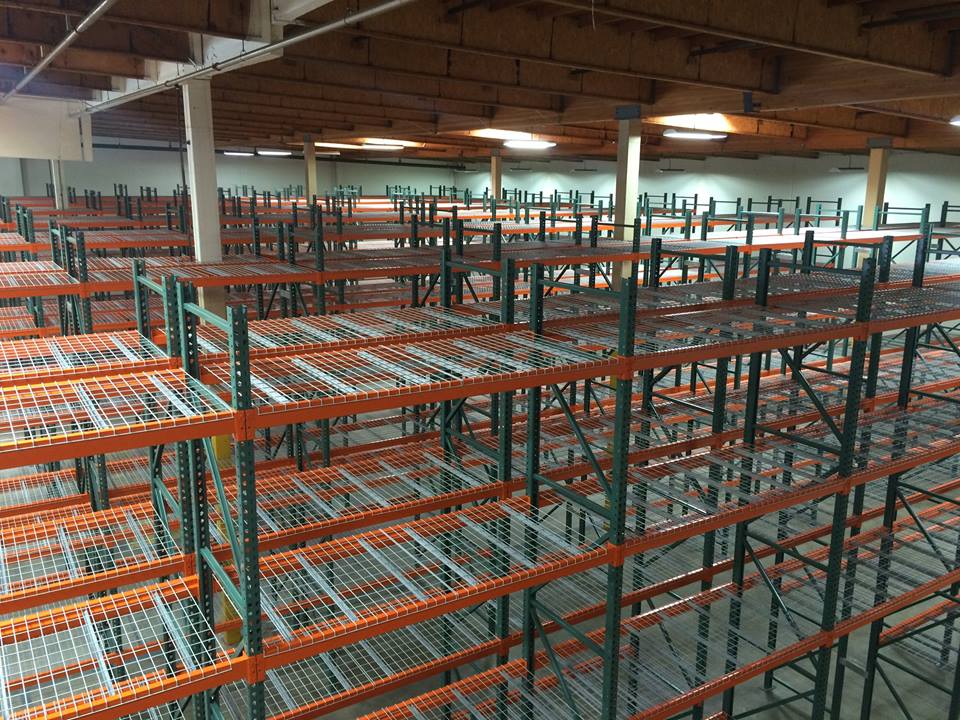
Mixed SKUs, direct pallet access and adjustable beam levels.
Pushback Rack
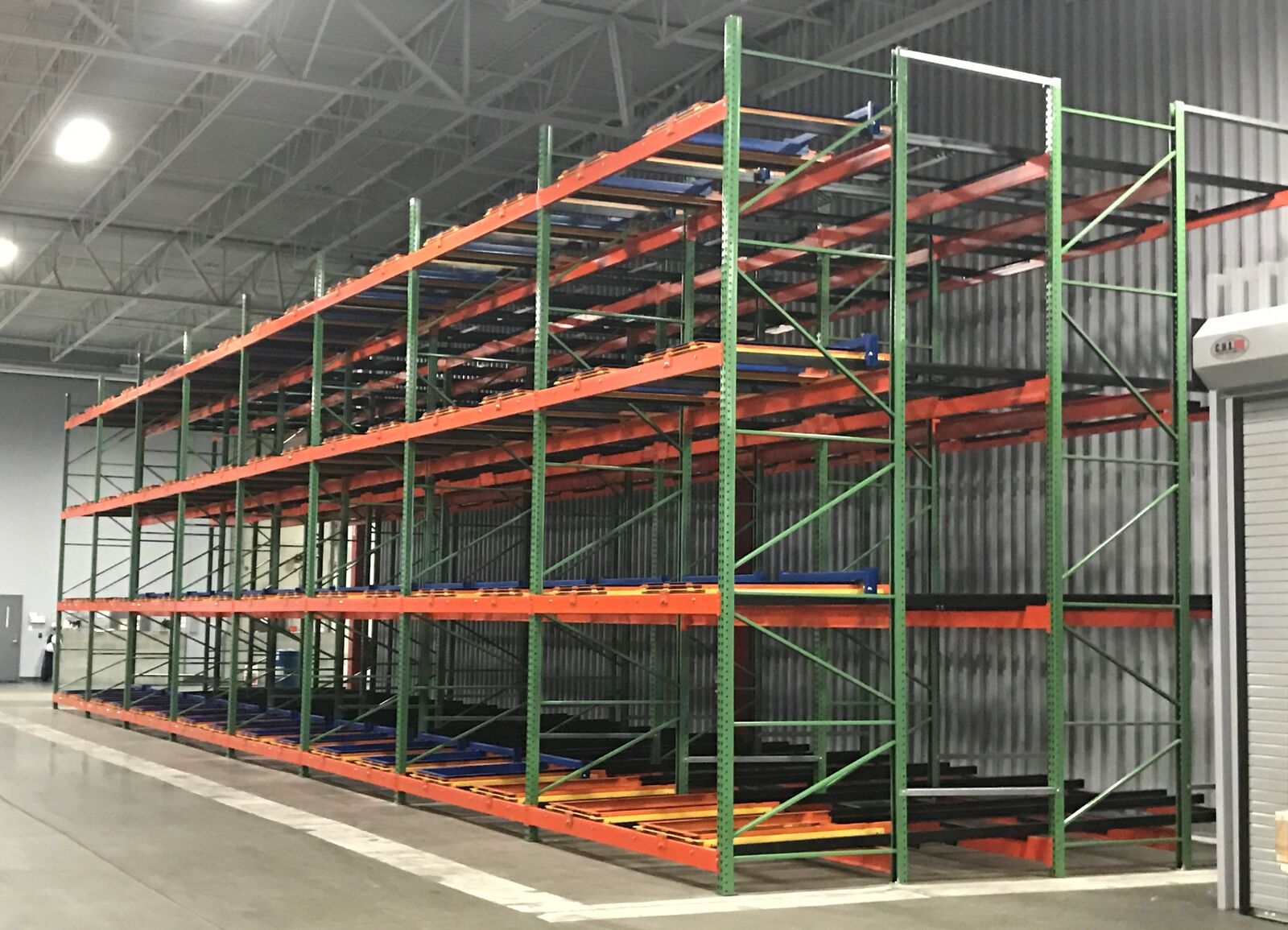
Two-to-six-deep LIFO lanes for multiple pallets of each SKU.
Pallet Flow Rack
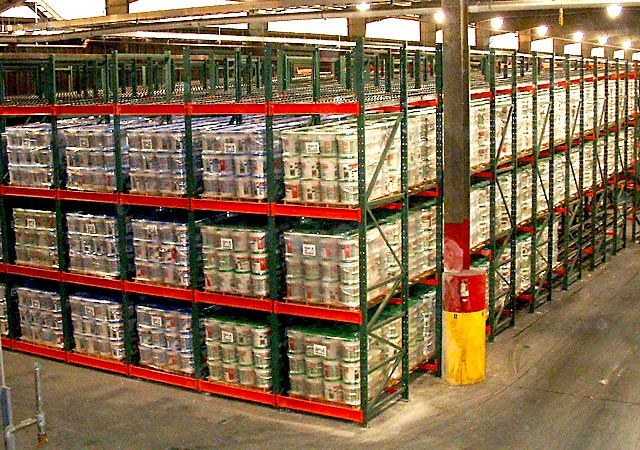
Gravity-fed FIFO lanes for dated grocery and cooler stock.
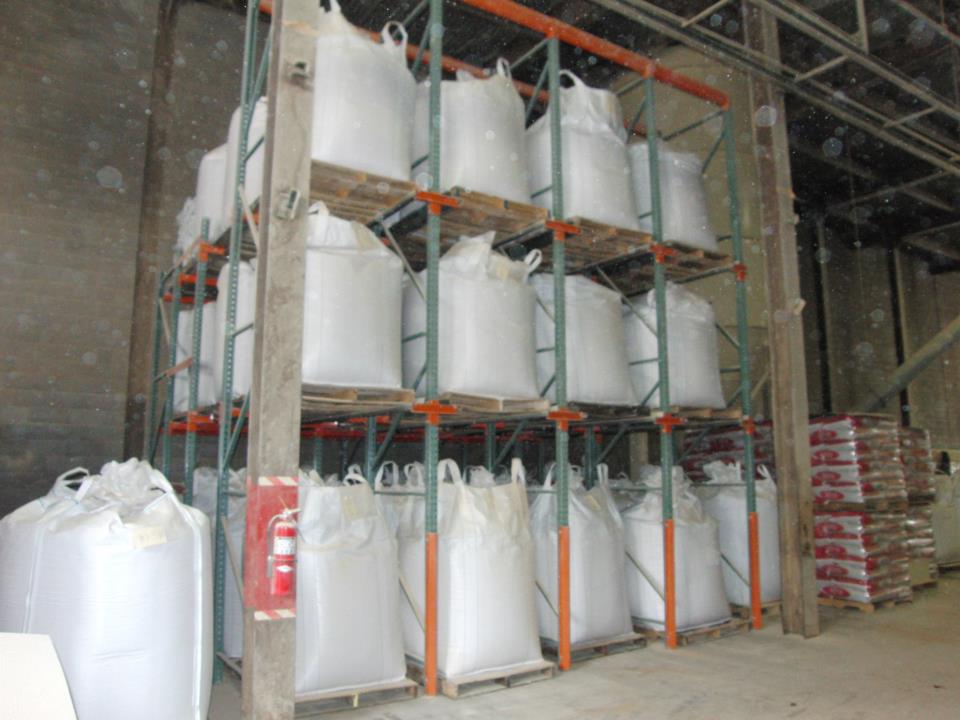
Drive In Pallet Rack
Deep lanes for bulk food inventory and a small SKU count.
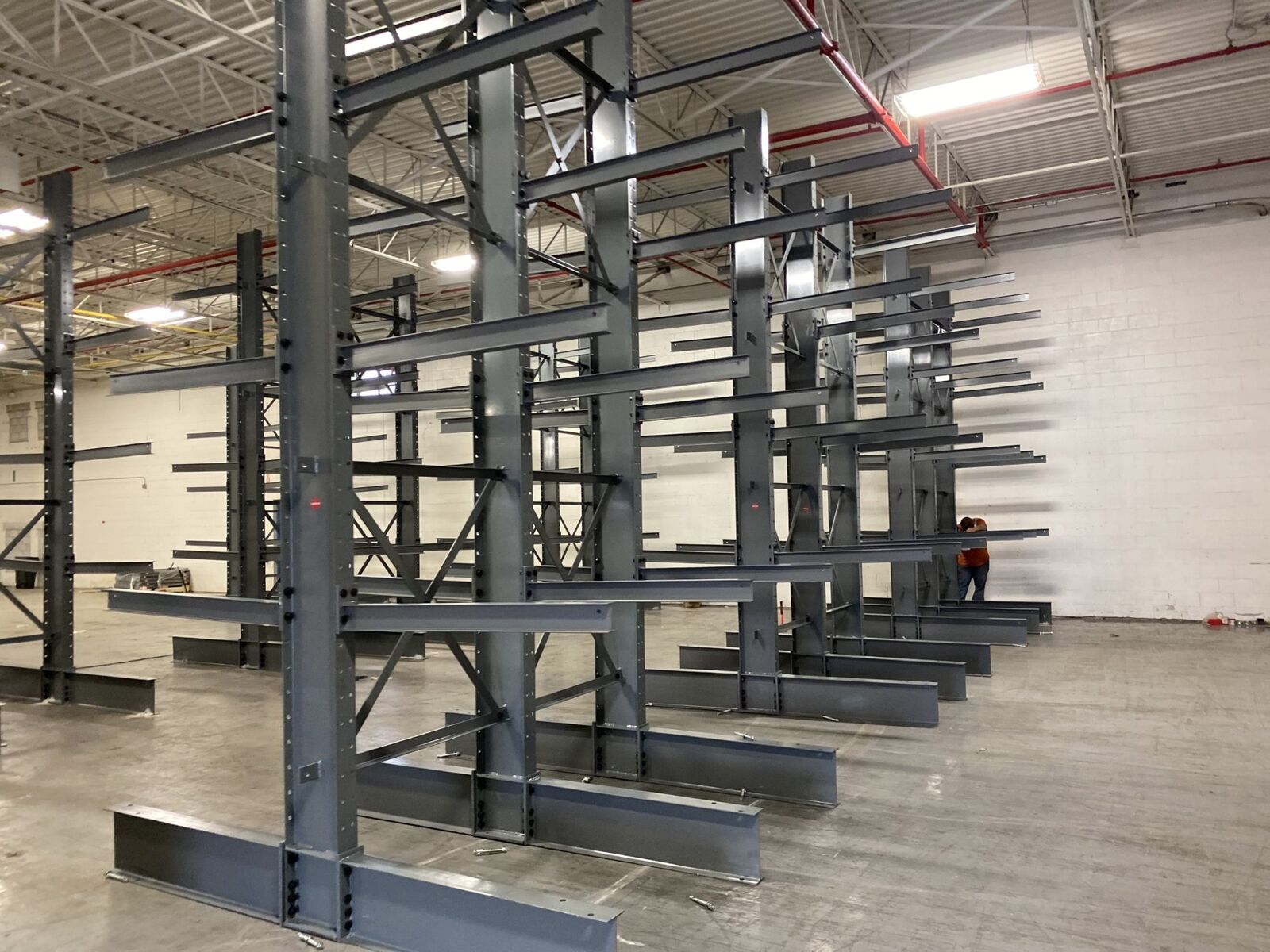
Cantilever Rack
Open-front arms for lumber, pipe and building materials.
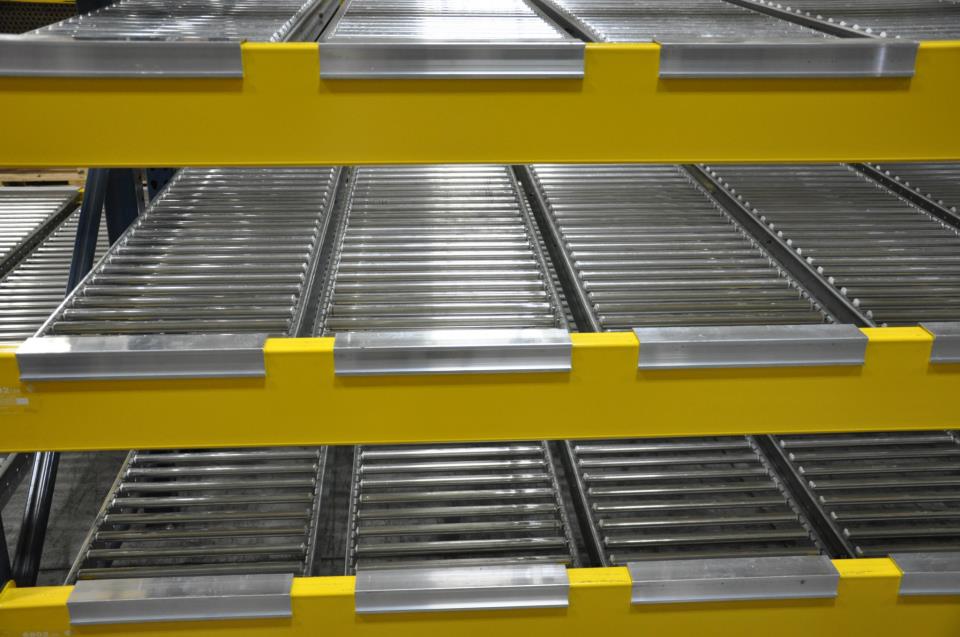
Carton Flow Rack
Separate replenishment and picking faces for cases and totes.
Selective Pallet Racks for Parts and Packing Supplies
Small manufacturing inventory needs a reachable position for each part or supply pallet. Start the schedule with loaded width, depth, height and maximum weight, then identify products picked daily. Selective bays keep those pallets at the aisle instead of behind a crop reserve. Packing supplies deserve the same treatment: a short packaging order should not require clearing onion loads first. Set beam openings around actual pallet widths, including overhang, and reserve space to set down deliveries before putting them at height.
Separate packaging pallets from finished produce on the Payette load list. Their heights and weights can differ even when the empty pallets match. Warehouse pallet racks can use different beam elevations for those groups, with the complete configuration rated rather than repeating one standard bay everywhere. Industrial pallet racks for parts should remain reachable while reserve produce lanes are being loaded or emptied.
Warehouse Racking for Onion Lots and Seasonal Counts
Payette's onion and produce packing needs seasonal reserve storage alongside small-manufacturer pallet bays. List normal stock and the harvest maximum by product and lot. Record whether the load arrives in a bin or on a pallet, how its base is supported and which lot must leave first. Those details decide the storage method. Keep receipt staging outside the permanent position count so incoming produce can be checked and assigned without blocking a parts row. The crop quantity should fill a defined lane, not determine every bay in the warehouse.
Drive In Pallet Rack for Matching Produce Loads
Drive-in is worth comparing for large batches of a few products that can share a withdrawal sequence. Specify the loaded container and support points before selecting rails; bin volume alone does not establish the load carried by the rack. Check the truck body and lifting clearance inside each lane. Put small lots and packaging exceptions in selective positions. A produce reserve lane should carry one defined inventory group, with its depth based on the quantity actually held together.
Carton Flow Rack for Packing-Line Case Picks
Packing work may consume opened cases alongside full pallets of supplies. Carton flow shelving gives those cases a picking face and a separate replenishment approach. Measure case bottoms and weights, then set the working quantity for each pick lane. Keep full-pallet reserves in selective bays close enough to replenish without crossing the produce lane entrance. If small manufacturing supplies are picked by the case, include them on their own schedule rather than treating the whole parts inventory as pallet storage.
Pallet Flow Rack or Pushback for the Release Order
Choose the retrieval rule before comparing depth. Pallet flow supports FIFO when older produce stock must leave ahead of later receipts, with loading and discharge at opposite faces. Pallet bottom construction and the range of weights establish the flow arrangement. Pushback instead serves two-to-six-deep LIFO groups by SKU where that sequence is acceptable. Compare each product separately: mixed parts remain in selective bays, while repeated produce reserves get the system that matches their release order and quantity.
Pallet Rack Systems Sized and Quoted for Payette
Measure clear height and verify the forklift lift height before choosing the highest beam. A 42-inch-deep upright is a common start for a standard 48-inch-deep pallet; a 96-inch beam commonly serves two 40-inch pallets, subject to loaded dimensions and clearances. Capacity applies to each beam pair per level, with frame capacity checked against height and beam spacing. Identify the heaviest level load and document the selected ratings on load plaques.
Send the building footprint, pallet and bin measurements, peak inventory and truck specification for a free CAD layout and itemized quote. The drawing shows parts bays, packing case picks and crop lanes as separate working areas. For Payette new-material supply, installation is by experienced installation crews we schedule and manage. Racks are anchored to the floor. The agreed rows, access and bay count establish installation scope, with timing confirmed on the quote.
Plan the Rack and the Move Together
pallet racks · pushback rack · pallet flow rack · drive in pallet rack · cantilever rack · carton flow rack · warehouse relocation service
Treasure Valley rack layouts: Nampa, ID · Meridian, ID · Caldwell, ID · Kuna, ID · Garden City, ID · Eagle, ID · Mountain Home, ID · Middleton, ID · Ontario, OR · Fruitland, ID · Payette, ID · Parma, ID · Wilder, ID · Emmett, ID · Star, ID · Homedale, ID · Nyssa, OR · Greenleaf, ID · Melba, ID · Weiser, ID · Glenns Ferry, ID · Vale, OR · New Plymouth, ID · Notus, ID · All service areas
Pallet Rack Questions
Get a Pallet Rack Layout for Your Building
Send pallet dimensions, heaviest load, clear height and forklift details. We return a free CAD layout and itemized quote.